

Acupuncture Clinic in Portland OR
Acupuncture involves inserting thin needles into specific points on the body to promote healing and balance. By restoring harmony in the body, acupuncture supports relaxation, reduces inflammation, and boosts the immune system, helping patients achieve lasting relief and improved health. Visit Dr. Jason Zabell, and his team to explore how acupuncture can benefit your health and well-being. For more information, contact us or request an appointment online. We are conveniently located at 4900 SE Division St. Portland, OR 97206.
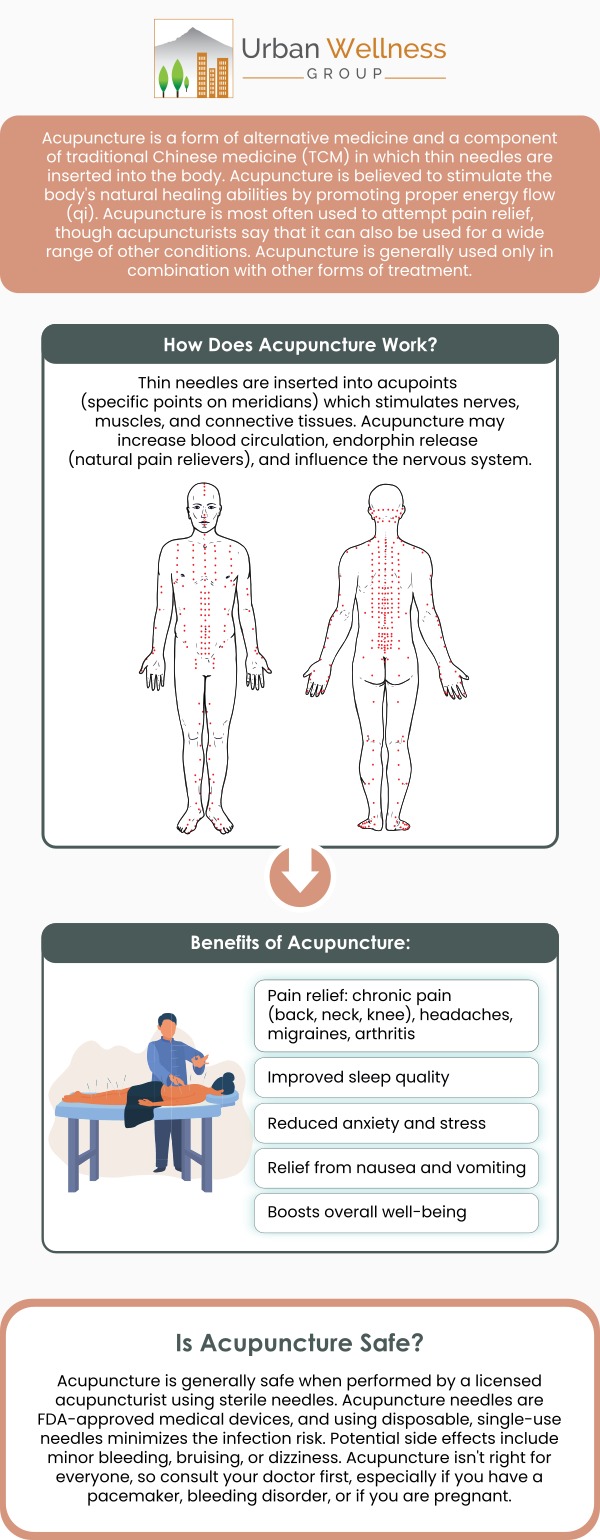
Table of Contents:
How does acupuncture promote healing and reduce pain?
Can acupuncture be used alongside other treatments or therapies?
Is acupuncture safe for everyone, including pregnant women?
How long do the benefits of acupuncture last after a session?
Acupuncture is a key part of our holistic approach to wellness at Urban Wellness Group. This ancient practice uses ultra-thin needles inserted into specific points to stimulate the body’s natural healing abilities. The process encourages the release of endorphins and other neurotransmitters, providing pain relief and improving overall well-being.
Acupuncture also boosts circulation, delivering oxygen and nutrients to inflamed or injured tissues, which accelerates healing and reduces inflammation. It is effective for treating conditions like arthritis, headaches, sports injuries, and muscle pain. Additionally, acupuncture helps balance the nervous system, reducing stress and promoting relaxation, which improves sleep quality.
Studies show that acupuncture can modulate pain signals in the nervous system, making it valuable for managing chronic pain conditions such as back pain, migraines, and neuropathic pain. It also strengthens the immune system and supports tissue repair, helping your body become more resilient.
At Urban Wellness Group, acupuncture is more than symptom relief—it’s an integrative therapy that promotes healing and vitality. Visit us today to experience how acupuncture can support your health and wellness journey.
At Urban Wellness Group, acupuncture is a key part of our patient-centered approach, complementing holistic and conventional healthcare services. We integrate acupuncture with treatments such as physical therapy, chiropractic care, massage therapy, and nutrition counseling to optimize patient outcomes and overall well-being.
Acupuncture is particularly beneficial for chronic pain, stress-related conditions, anxiety, and persistent health issues. It can reduce reliance on prescription medications and enhance comfort, improving patients’ quality of life. It is also helpful for those undergoing chemotherapy or rehabilitation therapies, managing side effects like nausea, fatigue, and pain.
We prioritize clear communication between patients and practitioners. Before starting acupuncture treatments, our team thoroughly evaluates your health needs, collaborates with your other healthcare providers, and monitors your progress to ensure safe and effective treatment.
By integrating acupuncture with other therapies, we aim to improve therapeutic outcomes, enhance wellness, and support patients in achieving their health goals. Visit us to discover how acupuncture can be a valuable part of your treatment plan.
At Urban Wellness Group, patient safety and personalized care are our highest priorities. Acupuncture offered by our skilled, licensed practitioners is a safe, gentle, and effective complementary therapy for addressing a variety of health concerns, including pain management, anxiety, nausea, and overall wellness. We follow strict sterile techniques and tailor treatments specifically to your individual health conditions and needs.
Acupuncture and Pregnancy
We understand pregnancy is a special time requiring extra care and attention. Our licensed practitioners are highly trained and experienced in prenatal acupuncture, offering safe and effective relief from common pregnancy-related symptoms such as morning sickness, lower back pain, stress, and fatigue. While acupuncture is generally safe throughout pregnancy, certain acupuncture points must be avoided during pregnancy—particularly during the first trimester—as they may stimulate contractions or premature labor. We carefully design treatments around your needs, ensuring both your safety and comfort. We always recommend that pregnant patients consult their healthcare providers before initiating acupuncture therapy.
Special Health Considerations
At Urban Wellness Group, we carefully screen each patient to ensure acupuncture is suitable and beneficial for them. We typically do not recommend acupuncture for individuals with bleeding disorders, patients using blood-thinning medications, or those with compromised immune systems unless they have received prior medical approval. Additionally, we avoid electrical stimulation for patients with pacemakers to prevent interference with these devices.
Your Safety is Our Priority
Urban Wellness Group is committed to providing safe, high-quality acupuncture therapy as part of your integrative healthcare plan. Our team adheres strictly to established safety protocols and maintains open communication with your healthcare providers, ensuring coordinated and comprehensive care tailored to your unique health profile. Before beginning acupuncture or any complementary treatment, we encourage you to consult with your healthcare professional, especially if you are pregnant or have underlying medical conditions.
At Urban Wellness Group, we understand that each patient’s health journey is unique, and acupuncture treatment outcomes can vary based on individual needs, conditions, and wellness goals. Many of our patients experience noticeable relief immediately following an acupuncture session, with benefits typically lasting anywhere from a few hours to several days. With consistent, personalized treatment plans designed by our experienced practitioners, patients often report cumulative improvements, meaning the benefits last progressively longer after each session.
For acute issues—such as minor injuries, muscle tension, or short-term discomfort—acupuncture often provides rapid relief, typically lasting days or even weeks. In many cases, a short series of acupuncture treatments can effectively resolve these concerns entirely. On the other hand, patients dealing with chronic conditions like persistent pain, anxiety, insomnia, or ongoing stress frequently require a tailored series of acupuncture sessions to achieve meaningful, long-term improvements. Although initial relief may be short-lived, regular treatments often lead to sustained symptom management, enhanced quality of life, and improved overall wellness.
At Urban Wellness Group, we emphasize a holistic approach that considers lifestyle factors including diet, stress management, physical activity, mindfulness practices, and overall health habits. Patients who integrate acupuncture into a balanced lifestyle and follow personalized recommendations from our wellness practitioners typically enjoy longer-lasting results. Additionally, scheduling regular maintenance sessions—such as monthly or quarterly acupuncture treatments—can help sustain long-term benefits and maintain optimal wellness.
Because acupuncture outcomes vary from person to person, we encourage our patients to openly discuss their individual health goals and expectations during consultations. Our team of licensed acupuncture specialists is committed to creating a customized treatment plan that optimizes results and supports sustained wellness for each patient.
We look forward to supporting your journey toward optimal health and wellness with personalized, safe, and effective acupuncture treatments at Urban Wellness Group. For more information, contact us or request an appointment online. We serve patients from Portland OR, Milwaukie OR, Happy Valley OR, Oak Grove OR, Lake Oswego OR, Beaverton OR, Tigard OR, and surrounding areas.
Check Out Our 5 Star Reviews


Additional Services You May Need
▸ Hyperbaric Oxygen Therapy
▸ Ozone Therapy
▸ Bio-identical Hormone Therapy
▸ IV Therapy
▸ Auto Injury Treatment
▸ Shockwave Therapy
▸ Work Injuries Treatment
▸ Regenerative Medicine
▸ Acupuncture
▸ Prolozone Injection Therapy
▸ Chinese Medicine
▸ Natural Medicine
▸ Cancer Care
▸ Spinal Alignment
▸ Semaglutide GLP-1

Additional Services You May Need
▸ Hyperbaric Oxygen Therapy
▸ Ozone Therapy
▸ Bio-identical Hormone Therapy
▸ IV Therapy
▸ Auto Injury Treatment
▸ Shockwave Therapy
▸ Work Injuries Treatment
▸ Regenerative Medicine
▸ Acupuncture
▸ Prolozone Injection Therapy
▸ Chinese Medicine
▸ Natural Medicine
▸ Cancer Care
▸ Spinal Alignment
▸ Semaglutide GLP-1


 Send Text
 How May I Help You?